
Thyroid Nodules Treatment in Edmond
Thyroid nodules are common growths that require expert evaluation to ensure optimal thyroid health and rule out serious conditions. At Encompass Wellness and Aesthetics, we provide comprehensive thyroid nodule assessment, advanced diagnostic imaging, and evidence-based treatment tailored to your individual needs.
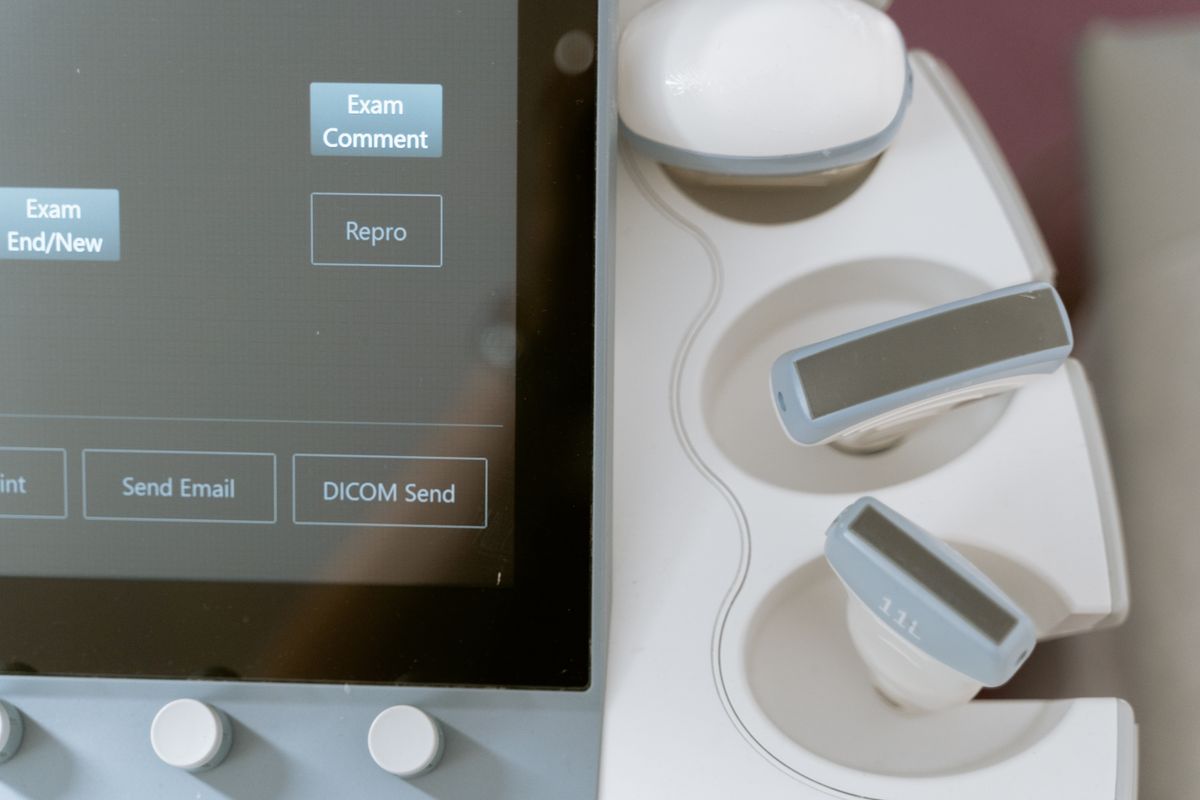
Understanding Thyroid Nodules
Thyroid nodules are solid or fluid-filled lumps that form within the thyroid gland, a butterfly-shaped organ located at the base of your neck. These growths are remarkably common, affecting up to 65% of the general population, though most are discovered incidentally during imaging studies performed for other reasons. While the vast majority of thyroid nodules are benign, approximately 5-15% may be cancerous, making proper evaluation essential. Even benign nodules can impact quality of life by causing difficulty swallowing, breathing problems, visible neck swelling, or thyroid hormone imbalances. Many people with thyroid nodules experience anxiety about the diagnosis, concerns about cancer risk, and uncertainty about whether treatment is necessary. The presence of thyroid nodules can also indicate underlying thyroid dysfunction, autoimmune disease, or iodine deficiency that requires medical attention.
The causes of thyroid nodules are multifactorial and often not completely understood. Iodine deficiency, though less common in the United States due to iodized salt, remains a significant cause worldwide and can lead to multinodular goiter development. Hashimoto's thyroiditis and other autoimmune thyroid conditions increase nodule formation risk. Genetic factors play a role, with family history of thyroid disease or thyroid cancer elevating individual risk. Radiation exposure, particularly during childhood, is a well-established risk factor for both benign and malignant thyroid nodules. Age and gender are important considerations—nodules become more prevalent with advancing age and occur four times more frequently in women than men. Additional risk factors include rapid nodule growth, history of head and neck radiation, family history of thyroid cancer or genetic syndromes like multiple endocrine neoplasia, and certain environmental exposures. Understanding these risk factors helps guide the intensity and frequency of monitoring required.
Professional medical evaluation of thyroid nodules is not optional—it's essential for your health and peace of mind. While most nodules are benign, the only way to confidently rule out thyroid cancer is through systematic evaluation including detailed ultrasound imaging and, when indicated, fine needle aspiration biopsy. Many nodules require no treatment beyond monitoring, but this determination must be made by an experienced provider using established clinical guidelines. Some nodules produce excess thyroid hormone (toxic nodules), requiring specific treatment to prevent hyperthyroidism complications including heart rhythm abnormalities and bone loss. Large nodules causing compressive symptoms may need intervention even when benign. Without proper evaluation, you risk missing early-stage thyroid cancer when it's most treatable, living with unnecessary anxiety about an uncharacterized nodule, or developing complications from untreated thyroid dysfunction. At Encompass Wellness and Aesthetics, we provide comprehensive thyroid nodule evaluation using evidence-based protocols, helping you understand your specific situation and guiding you toward the most appropriate management strategy for your individual case.
Signs & Symptoms of Thyroid Nodules
- Visible Neck Swelling - A noticeable lump or bulge at the base of the neck that may be visible when swallowing or turning the head.
- Difficulty Swallowing - Sensation of something caught in the throat or discomfort when swallowing food or liquids, especially larger nodules.
- Breathing Difficulties - Shortness of breath or noisy breathing when lying flat, caused by large nodules pressing on the windpipe.
- Hoarseness or Voice Changes - Persistent hoarse voice or vocal changes that may indicate nodule proximity to the nerves controlling the vocal cords.
- Neck Pain or Discomfort - Pain in the front of the neck, throat, or even radiating to the ears, particularly with rapidly growing nodules.
- Sensation of Pressure - Feeling of fullness, tightness, or pressure in the neck area that persists or worsens over time.
- Incidental Discovery - Many nodules are completely asymptomatic and discovered during imaging for other conditions or routine physical examination.
- Unexplained Weight Changes - Weight loss with increased appetite (hyperthyroid nodules) or weight gain despite normal eating (if nodule affects overall thyroid function).
- Heart Palpitations - Rapid or irregular heartbeat, especially with functioning nodules that overproduce thyroid hormone.
- Heat Intolerance or Sweating - Excessive sweating, feeling overheated, or intolerance to warm environments when nodules cause hyperthyroidism.
- Nervousness or Anxiety - Increased anxiety, restlessness, irritability, or tremor associated with excess thyroid hormone production.
- Fatigue or Weakness - Persistent tiredness, muscle weakness, or reduced exercise tolerance that may accompany thyroid dysfunction.
- Sleep Disturbances - Difficulty falling asleep or staying asleep, often related to hyperthyroid symptoms from functioning nodules.
- Bowel Pattern Changes - Increased bowel movements or diarrhea with hyperfunctioning nodules, or constipation if overall thyroid function is reduced.
What to Expect
- Most thyroid nodules are benign, but expert evaluation is essential to rule out the 5-15% that may be cancerous through proper imaging and biopsy protocols.
- High-resolution ultrasound imaging allows detailed characterization of nodule features to assess cancer risk and guide appropriate management decisions.
- Many benign nodules require only surveillance with periodic ultrasound monitoring rather than active treatment, avoiding unnecessary interventions.
- Functioning nodules that produce excess thyroid hormone can be effectively treated with medication, radioactive iodine, or surgery depending on patient factors.
- Even large symptomatic nodules causing swallowing or breathing difficulties can be successfully managed with appropriate surgical intervention when indicated.
- Long-term monitoring with evidence-based surveillance protocols ensures early detection of any concerning changes while minimizing unnecessary testing and anxiety.
How We Treat Thyroid Nodules
Comprehensive Assessment
Your evaluation begins with detailed medical history, physical examination, and thyroid function testing to understand your baseline hormone levels. We perform high-resolution thyroid ultrasound imaging to characterize nodule size, composition, and suspicious features. Based on established criteria, we determine whether fine needle aspiration biopsy is indicated to rule out malignancy and guide appropriate management.
Personalized Treatment Plan
Based on your diagnostic results, we develop an individualized management strategy. Many benign nodules require only surveillance with periodic ultrasound monitoring. Functioning nodules causing hyperthyroidism may be treated with radioactive iodine or surgical removal. Large symptomatic nodules or those with concerning biopsy results are referred to experienced thyroid surgeons for definitive treatment.
Ongoing Monitoring & Care
Long-term follow-up is essential for thyroid nodule management. We establish appropriate surveillance intervals based on nodule characteristics and your risk factors. Serial ultrasounds track any changes in size or appearance that might warrant further evaluation. After surgery, we coordinate thyroid hormone replacement therapy and monitor for recurrence, ensuring optimal thyroid function and your continued wellbeing.
Benefits
Specialized Expertise
Board-certified provider with specialized training in endocrinology and thyroid disorders, ensuring expert evaluation and evidence-based management of thyroid nodules.
Personalized Approach
Comprehensive evaluation tailored to your individual risk factors, concerns, and preferences, with management plans designed specifically for your situation.
Telehealth Available
Convenient virtual consultations for follow-up visits, test result discussions, and ongoing thyroid monitoring, making expert care accessible from home.
Comprehensive Care
Extensive experience managing all types of thyroid nodules, from benign surveillance to coordination of care for thyroid cancer, with focus on long-term outcomes.
Your Treatment Journey
First Evaluation (Week 1)
Your initial visit includes comprehensive medical history, physical examination with careful neck palpation, and thyroid function blood tests. We review any previous imaging or biopsy results you may have. High-resolution thyroid ultrasound is performed or arranged to characterize your nodule(s) in detail. Based on established risk stratification criteria, we determine whether fine needle aspiration biopsy is necessary. You'll leave with a clear understanding of your nodule characteristics, cancer risk assessment, and next steps. Most patients find that simply understanding their situation and having a plan significantly reduces anxiety.
Diagnostic Phase (Weeks 2-4)
If biopsy is recommended, this minimally invasive procedure is typically completed within 1-2 weeks. Results are usually available within 5-7 days. We schedule a follow-up visit to discuss pathology results and their implications. For nodules not requiring biopsy, we establish your surveillance schedule based on nodule characteristics and risk factors. If thyroid dysfunction is present, we initiate appropriate treatment with thyroid hormone replacement or antithyroid medications. This phase focuses on gathering all necessary information to guide your long-term management strategy.
Management Implementation (Months 2-6)
Your management plan is fully implemented during this period. For benign nodules under surveillance, your first follow-up ultrasound is typically scheduled at 6-12 months. If surgery is recommended, we coordinate referral to experienced thyroid surgeons and remain involved in your perioperative care. Functioning nodules may be treated with radioactive iodine, with careful monitoring for response and thyroid function changes. If thyroid hormone replacement is needed, we adjust dosing based on follow-up lab tests every 6-8 weeks until optimal levels are achieved. You should feel confident in your treatment plan and understand what to expect at each stage.
Long-term Monitoring
Ongoing surveillance is tailored to your specific situation. Stable benign nodules are typically monitored with ultrasound every 1-2 years, with intervals potentially lengthening over time if they remain unchanged. After thyroid surgery, we coordinate lifelong thyroid hormone management and periodic surveillance for recurrence when indicated. Patients with multiple nodules or underlying thyroid disease may require more frequent monitoring. Annual thyroid function testing ensures optimal hormone levels. We remain available for any new concerns or symptoms that arise, adjusting your care plan as needed throughout your lifetime. The goal is to provide appropriate vigilance without over-testing or causing unnecessary anxiety.
Evidence-Based Treatment Approach
Our treatment approach is grounded in evidence-based guidelines from the American Thyroid Association and incorporates the latest advances in thyroid nodule management. We utilize high-resolution ultrasound technology with standardized reporting systems to accurately assess nodule features and stratify cancer risk. Fine needle aspiration biopsy, when indicated, is performed using ultrasound guidance to ensure accurate sampling. For benign nodules requiring surveillance, we follow established monitoring protocols with interval imaging appropriate to your risk level. Hyperfunctioning autonomous nodules are managed with antithyroid medications, radioactive iodine ablation, or surgical resection depending on nodule characteristics, patient age, and preferences. We coordinate closely with experienced endocrine surgeons when surgical intervention is necessary, ensuring seamless transitions and comprehensive perioperative management. For patients diagnosed with thyroid cancer, we facilitate rapid referral to multidisciplinary thyroid cancer teams and remain involved in long-term surveillance and thyroid hormone management. Our goal is to provide you with clear information, appropriate testing, and a management plan that balances thoroughness with avoiding unnecessary interventions, always prioritizing your long-term thyroid health and overall wellbeing.
Symptoms Section Closing
If you recognize these signs, help is available. Early evaluation and treatment of thyroid nodules leads to better outcomes and peace of mind.
Common Questions About Thyroid Nodules
How do I know if my thyroid nodule is cancerous?
The only definitive way to determine if a thyroid nodule is cancerous is through fine needle aspiration biopsy, but not all nodules require this procedure. We use high-resolution ultrasound to assess features that help predict cancer risk, including irregular borders, microcalcifications, taller-than-wide shape, and increased internal blood flow. Based on these characteristics and nodule size, established guidelines help determine whether biopsy is warranted. The vast majority of thyroid nodules—over 90%—are benign. Even when cancer is detected, most thyroid cancers are highly treatable with excellent long-term outcomes, especially when detected early through appropriate surveillance.
How long does thyroid nodule treatment take?
The timeline varies significantly based on your specific situation. Initial evaluation including ultrasound and laboratory testing can typically be completed within 1-2 weeks. If biopsy is needed, results are usually available within another week. Many benign nodules don't require active treatment—only ongoing monitoring with ultrasound every 6-24 months depending on risk factors. If surgery is recommended, scheduling and recovery typically span 4-8 weeks, followed by adjustment of thyroid hormone replacement over 2-3 months. Radioactive iodine treatment for functioning nodules shows response over 3-6 months. Long-term surveillance continues indefinitely with annual or biennial follow-up, but most patients find this minimally disruptive once a stable management pattern is established.
Will I need medication or surgery for my thyroid nodule?
Most thyroid nodules do not require medication or surgery—they can be safely monitored with periodic ultrasound examinations. Surgery is recommended when nodules are confirmed or suspected to be cancerous, cause compressive symptoms like difficulty swallowing or breathing, or are large and cosmetically concerning. Functioning nodules that produce excess thyroid hormone may be treated with antithyroid medications, radioactive iodine ablation, or surgery depending on patient factors and preferences. After thyroid surgery, lifelong thyroid hormone replacement medication is necessary if your entire thyroid is removed, or may be needed if enough thyroid tissue is removed to impair normal function. We thoroughly discuss the risks and benefits of all treatment options to help you make informed decisions aligned with your values and health goals.
Does insurance cover thyroid nodule evaluation and treatment?
Yes, thyroid nodule evaluation and treatment are typically covered medical services under most insurance plans, including Medicare. This includes initial consultation, laboratory testing, thyroid ultrasound, fine needle aspiration biopsy when indicated, and follow-up surveillance imaging. Surgical treatment and radioactive iodine therapy are also covered when medically necessary. Thyroid hormone replacement medication is covered under prescription drug benefits. Coverage specifics vary by plan, and you may have copays, deductibles, or coinsurance responsibilities. We recommend contacting your insurance provider to understand your specific coverage and out-of-pocket costs. Our office can provide documentation of medical necessity and work with your insurance company to facilitate coverage for recommended evaluations and treatments.
Can thyroid nodules be evaluated through telehealth?
Telehealth can be very effective for certain aspects of thyroid nodule care, though hands-on evaluation is necessary at key points. Your initial consultation can often begin virtually, especially if you already have ultrasound or biopsy results to review. Physical examination of the neck is important and requires an in-person visit, as does ultrasound imaging and biopsy procedures. However, follow-up visits to discuss test results, review surveillance imaging, adjust thyroid hormone dosing, and monitor stable nodules can frequently be conducted through secure video visits. This hybrid approach combines the convenience of virtual care with appropriate in-person evaluation, reducing travel burden while maintaining quality. Many patients find that after initial in-person assessment, subsequent monitoring can be managed largely through telehealth with periodic in-person ultrasound examinations.
What happens if my thyroid nodule grows or changes over time?
Changes in thyroid nodules during surveillance warrant reassessment but don't always indicate cancer. Modest growth—typically defined as 20% increase in two dimensions or 50% volume increase—in a previously biopsied benign nodule may prompt repeat biopsy, as sampling error can occasionally occur. Development of new suspicious ultrasound features also triggers additional evaluation. Many benign nodules grow slowly over time without becoming malignant. If a nodule develops compressive symptoms due to size increase, surgical removal may be recommended even if benign. Stable nodules over several years of surveillance can often transition to less frequent monitoring. We carefully track all measurements and characteristics over time, comparing each ultrasound to previous studies to detect clinically significant changes that require action while avoiding unnecessary interventions for minor variations.
Related Conditions
Related
Hypothyroidism
Underactive thyroid causing fatigue, weight gain, and metabolic slowdown. Expert diagnosis and thyroid hormone optimization.
Related
Hyperthyroidism
Overactive thyroid causing rapid heartbeat, anxiety, and weight loss. Comprehensive treatment including medication and radioactive iodine.
Related
Hashimoto's Thyroiditis
Autoimmune thyroid condition requiring specialized management. Treatment of inflammation and thyroid hormone balance.
Get Help for Thyroid Nodules Today
You don't have to face thyroid nodules alone. Our team is ready to help you understand your diagnosis and develop the right treatment plan.
Schedule an Appointment


